Introduction
Over the past decade, the concept of the Internet of Things has evolved from a futuristic idea into our everyday reality. From the moment we wake up and are greeted by smart speakers updating us on the weather outside, to the lights automatically turning off when we leave the house, quietly connected devices have transformed the way in which we live.
The IoT is not just about convenience; it’s about creating environments responsive, efficient, and attuned to one’s personal needs. Perhaps nowhere is that transformation more in evidence than in the modern smart home, where appliances and sensors and digital assistants communicate seamlessly with one another to heighten comfort, energy efficiency, and security.
Yet with each technological revolution comes challenges, and this one is no different. The concerns of privacy, cybersecurity risks, and the dependence on being constantly online have sparked new debates about the price of convenience in the digital age.
What Exactly Is the Internet of Things?
At its core, the Internet of Things refers to a network of physical devices from refrigerators and thermostats to cars and cameras that connect to the internet to collect, exchange, and act on data.
These devices use sensors and microchips to communicate with each other, sometimes even without human intervention. For instance, a smart thermostat will learn your temperature preferences, analyze your routine, and then automatically adjust the home’s climate to save energy.
According to Statista, the number of IoT connected devices worldwide surpassed 15 billion in 2023 and is projected to exceed 30 billion by 2030. This rapid growth shows how the IoT is becoming the invisible infrastructure of modern life.
The Smart Home Revolution
The most visible application of IoT technology is smart homes. They use different kinds of systems in a house: lighting, heating, entertainment, and security.
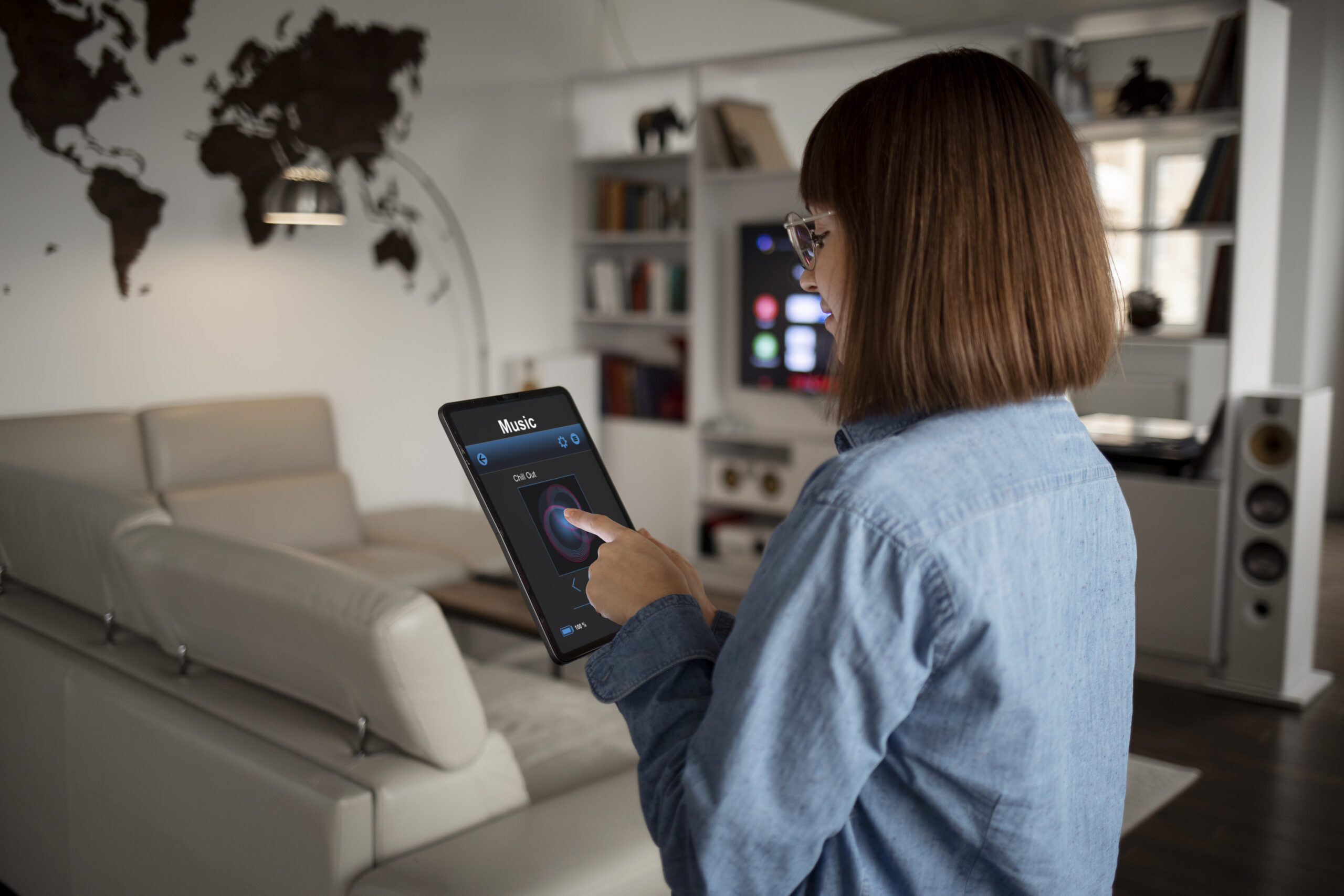
Voice assistants like Amazon Alexa, Google Home, or Apple’s Siri are the command centers of these homes; with simple voice commands, one can dim the lights, preheat the oven, or see who is at the door in real time.
But the real strength of a smart home is not in mere conveniences; rather, it lies in automation and data driven decision making. For example, motion sensors can detect when no one is inside the room and shut off lights to save on electricity. Smart washing machines can optimize water consumption according to load size, and smart fridges can remind you when supplies of groceries are low.
This level of automation will fundamentally change how we relate to our environment; instead of static spaces, our homes will become adaptive systems that learn and grow with us.
Energy Efficiency and Sustainability
Therefore, one of the biggest advantages of IoT in smart homes could be the potential for reduced environmental impact.
According to a 2022 report from the International Energy Agency, broad implementation of IoT enabled home systems could lead to a saving in residential energy consumption by as much as 20%. Devices that automatically adjust power usage, monitor temperature, and detect waste help minimize both costs and emissions.
Smart thermostats like Google Nest or Ecobee also use artificial intelligence to analyze how a home is used, including weather and occupancy patterns, to optimize heating and cooling. Similarly, smart plugs and meters allow homeowners to track energy usage in real time, identifying inefficiencies that would otherwise go unnoticed.
In this way, IoT not only improves comfort but also contributes to global sustainability goals: everyday life becomes more eco friendly and resource efficient.
Security and Privacy: The Hidden Risks
It also brings several serious privacy and cybersecurity concerns along with this revolution.
Each connected device represents a possible entry point for hackers. For example, in its 2023 report, Kaspersky Lab said that attempted attacks on IoT devices reached an incredible 1.5 billion within a single year, including against routers, cameras, and even smart light bulbs.
This results in many IoT products reaching the market with either weak default passwords or using outdated software, thus easily exposing them to attacks. Once such a device is compromised, attackers can reach sensitive data anything from personal habits to video footage inside homes.
Also, IoT data gathering casts doubt on a number of ethical issues regarding how companies use and store information obtained from users. Devices constantly record the data about routines, locations, and preferences, creating unique digital profiles. While this does help in enhancing performance, it also presents certain risks should it be mishandled or sold to third parties without consent.
Regulators in the European Union and United States have started to increase the stringency of requirements around IoT security standards, but experts say user education is just as vital. Users need to learn how to handle privacy settings, perform firmware updates, and safeguard their home networks.
The Economic Impact of Smart Homes
The smart home market, driven by the IoT, has become one of the fastest growing sectors in the global economy.
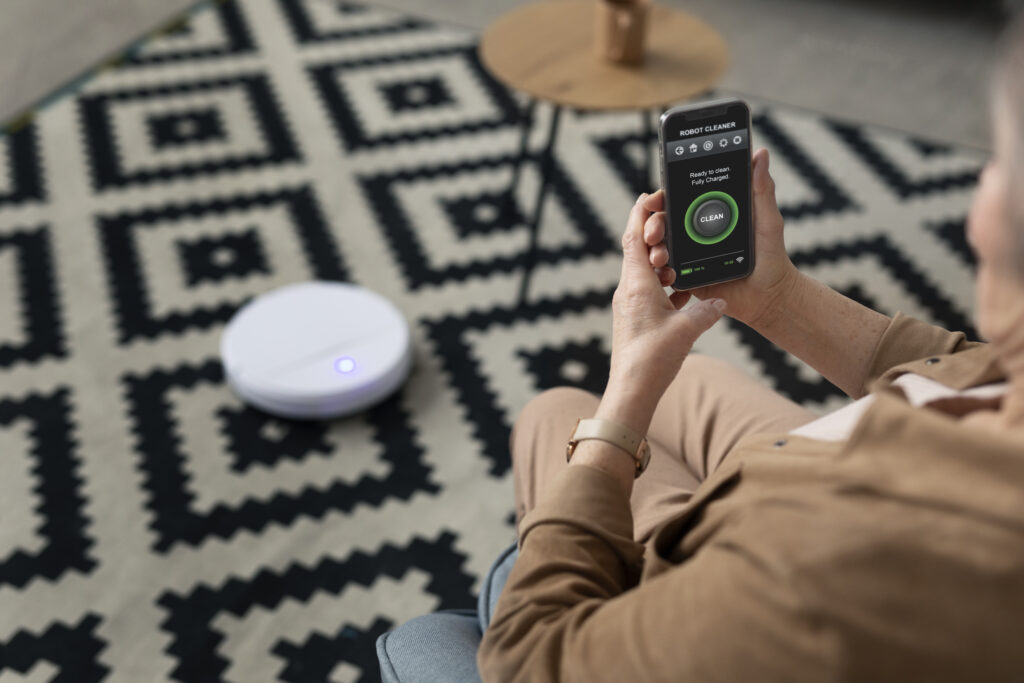
According to McKinsey & Company, the smart home industry generated over $130 billion in revenue in 2024, and is expected to exceed $300 billion by 2030. Everyone from major tech companies to startups are racing to develop new products, everything from intelligent cleaning robots to connected home gyms.
This economic boom is further changing the employment landscape, opening up many avenues for the likes of software engineers, cybersecurity specialists, and data analysts. But at the same time, it’s fueling demand for interoperability: devices from different brands must work together seamlessly.
As ecosystems like Matter a standard supported by Apple, Amazon, and Google become more pervasive, the formerly fragmented smart home experience is slowly evolving toward greater unity and ease of use.
How Smart Homes Are Changing Daily Life
Beyond the technical and economic aspects, there is a deeper personal impact of the IoT on how we experience our homes.
This will mean that for families, it will provide greater safety and peace of mind: parents being able to check security cameras remotely or receiving alerts when children arrive home. For elderly people, smart devices can support independent living, monitoring health indicators like heart rate or medication schedules.
The combination of IoT and AI is also giving rise to predictive environments homes that anticipate needs before users even express them. Whether it’s an alarm clock that automatically triggers your coffee maker, or lights adjusting to your mood and natural daylight.
This new level of personalization creates not only comfort but also a sense of companionship a home that understands you, adapts to you, and grows with you.
The Future of Smart Homes
In conclusion, the future of smart homes depends on an appropriate balance between innovation, security, and ethics.
With the development of emerging technologies like 5G, edge computing, and AI powered sensors, devices will be able to communicate at faster speeds and process data locally rather than leaning on cloud systems. This will heighten privacy while enabling real time responsiveness.
Meanwhile, as IoT ecosystems increase in complexity, interoperability and transparency will be crucial. Consumers will want systems that are intuitive, secure, and respectful of their data.
The next generation of smart homes would not only respond to our commands but understand our habits well enough to make beneficial changes for our well being, from adjusting air quality to offering better sleep quality based on biometric feedback.
Conclusion
The Internet of Things is one of the most transformative forces of the 21st century, redefining what it means to live in a home through the connection of ordinary objects into intelligent networks.
Yet this transformation also reminds us that technology must serve humanity, not dominate it. But the more we fill our private spaces with connected devices, the more we need transparency, safety, and ethical responsibility from developers and policymakers alike.
The truth is, smart homes aren’t science fiction anymore. They’re here. The real challenge is ensuring they make our lives not just easier, but truly better.
About the Author