Introduction
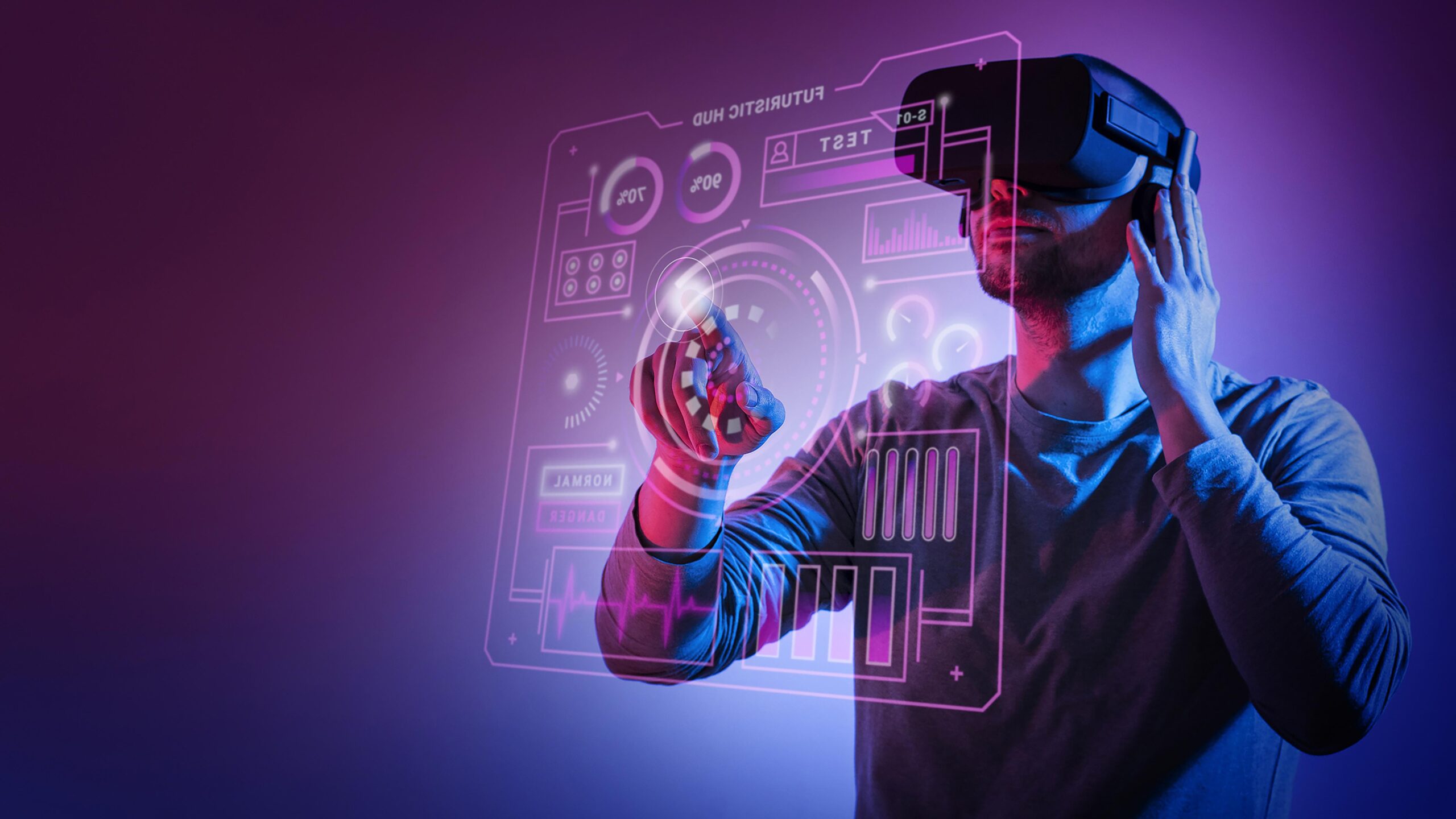
Not long ago, the idea of walking through a virtual world, meeting friends as avatars, or attending concerts without leaving home sounded like something straight out of a science fiction movie. Yet that concept the metaverse is now slowly becoming a reality. Powered by growing improvements in virtual reality, augmented reality, and artificial intelligence, these digital universes are changing how humans interact with each other to work, learn, and be entertained.
The metaverse isn’t one platform or application. It’s a mutually immersive, yet persistent virtual space where physical and digital converge. The metaverse represents a profound shift in the nature of online interaction a shift from simply looking at the internet to living inside it.
But beyond the hype, this transformation raises deep questions of identity, economy, creativity, and even mental health. As we push deeper into these digital environments, understanding their impact and potential is crucial.
What Is the Metaverse?
The term metaverse was first coined by author Neal Stephenson in his 1992 novel Snow Crash, describing a virtual world where people interacted through avatars. Decades later, this fiction is materializing through immersive technologies enabling users to engage with digital environments as if they were physical spaces.
Unlike the traditional social networks that have come before it, the metaverse focuses on presence actually being there. People wearing headsets and using sensory interfaces can walk through digital worlds, attend meetings, design objects, or even own virtual real estate.
Major companies like Meta, formerly Facebook, Microsoft, and Epic Games are investing billions into creating these ecosystems. Meanwhile, smaller startups focus on niche virtual spaces from art galleries to coworking environments that highlight just how diverse and decentralized the metaverse can be.
A New Economy in a Digital World
From creation to the economics, one of the most revolutionary aspects of the metaverse will be the growth of a digital economy that mirrors-and at times outpaces the physical one. Employing blockchain technology and NFTs (non fungible tokens), users can buy, sell, and trade virtual assets that hold real world value.
The fashion companies like Gucci, Balenciaga, and Nike have launched virtual collections inside platforms including Roblox and Decentraland. Virtual concerts featuring artists like Ariana Grande and Travis Scott have drawn millions of participants generating revenue comparable to live events.
According to a report by McKinsey & Company (2024), the metaverse could generate up to $5 trillion in global value by 2030, mainly driven by ecommerce, gaming, education, and advertising. That means the virtual economy is no longer just entertainment; it’s a serious business frontier.
The Impact on Work and Education
The pandemic accelerated the process of normalizing remote work and digital collaboration, which led up to the metaverse based workplace. Platforms like Microsoft Mesh and Horizon Workrooms let teams meet in virtual offices, share 3D content, and collaborate as if they were in the same room.
The potential is even higher in education. Virtual classrooms let students explore historical sites, conduct scientific experiments, or learn new skills in interactive, immersive environments. Research by Stanford University’s Virtual Human Interaction Lab has discovered that students learning through VR retained information up to 75% better compared to traditional online methods.
These innovations could democratize access to quality education and global talent, breaking geographical barriers. But they also require new digital literacy and infrastructure, which is a challenge for many regions still struggling with basic connectivity.
Psychological and Social Dimensions
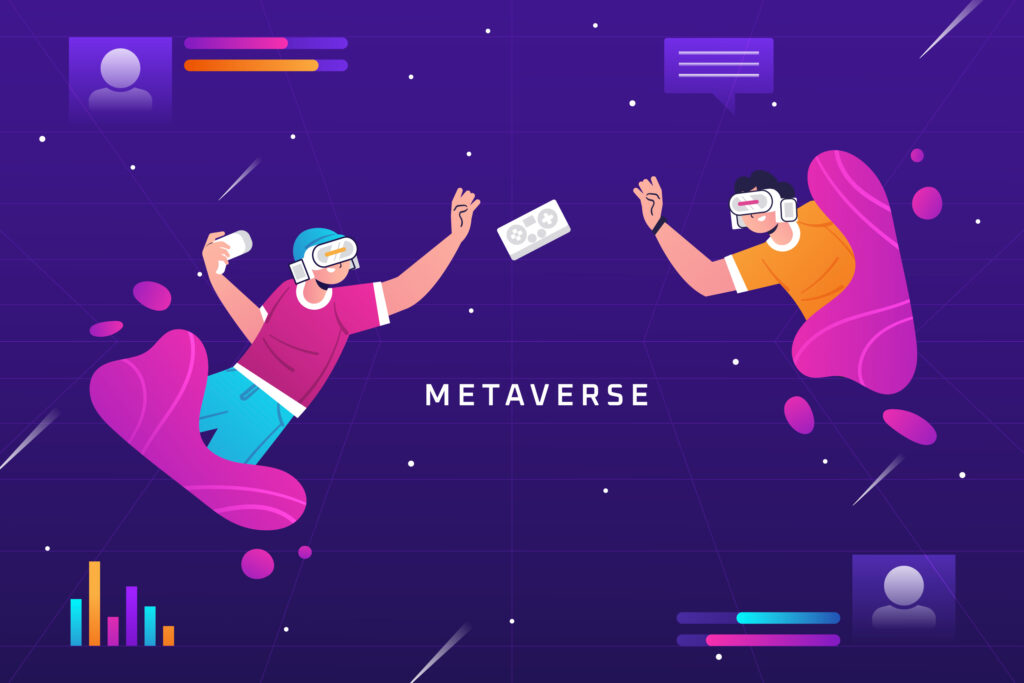
While the metaverse promises connection, it also raises concerns about mental health and social detachment. Long hours spent in virtual spaces blur the line between real and digital life. Psychologists warn of the risk of identity dissociation and digital addiction, especially among younger users.
Studies from the University of Eastern Finland and the World Health Organization have also underlined that too much screen exposure and lack of offline interaction can lead to anxiety, loneliness, and a decrease in empathy. The risk is not the technology itself, but the absence of balance.
Moreover, digital avatars and curated virtual lives can amplify social comparison, much like what is already happening on social media platforms but this time in even more immersive ways. The key will be developing digital well being strategies alongside innovation.
Creativity, Culture, and Human Expression
Beyond economics and technology, the metaverse is also fast emerging as a new canvas for human creativity: Artists are building up virtual exhibitions, architects design structures that defy the laws of physics, and musicians create multisensory performances impossible in reality.
Projects such as VR tours through cultural institutions like the Louvre and The British Museum are making art and history accessible to anyone with a headset. Such initiatives hint at the metaverse being the next stage in cultural democratization.
But it also brings up questions of ownership and authenticity. When everything can be digitally reproduced, how do we define what is original or of value? Blockchain offers some partial solutions, but the debate over digital identity and authorship has only just started.
Ethical and Privacy Challenges
Like any new technological frontier, the metaverse raises ethical challenges that can’t be ignored. Issues of data privacy, harassment, and consent already exist on social networks, but the metaverse amplifies them because interactions feel more real and personal.
The CCDH reported several instances of inappropriate behavior in virtual spaces that mostly cited a need for better moderation and regulation. Companies should be more responsible for implementing transparent systems to safeguard identities, personal data, and the emotional well-being of their users, who are spending more time in virtual spaces.
In the metaverse, the delicate balance between freedom and security will define whether it’s a means for self-empowerment or one for exploitation.
Conclusion
It represents at once both the next great evolution of the internet and a profound reflection of human ambition to connect, create, and transcend physical limitations. While the potential for the metaverse to reshape work, education, art, and even communication is immense, its realization also brings forth responsibilities we cannot afford to ignore.
If built with consciousness, the metaverse can be a place of inclusion, creativity, and global collaboration at scale. If left unchecked, it could deepen isolation, inequality, and data misuse.
The key to doing it right is designing these digital worlds with ethics, empathy, and human purpose at their core. Only then will the next step in digital interaction truly move us forward not just technologically, but also as a society.
About the Author