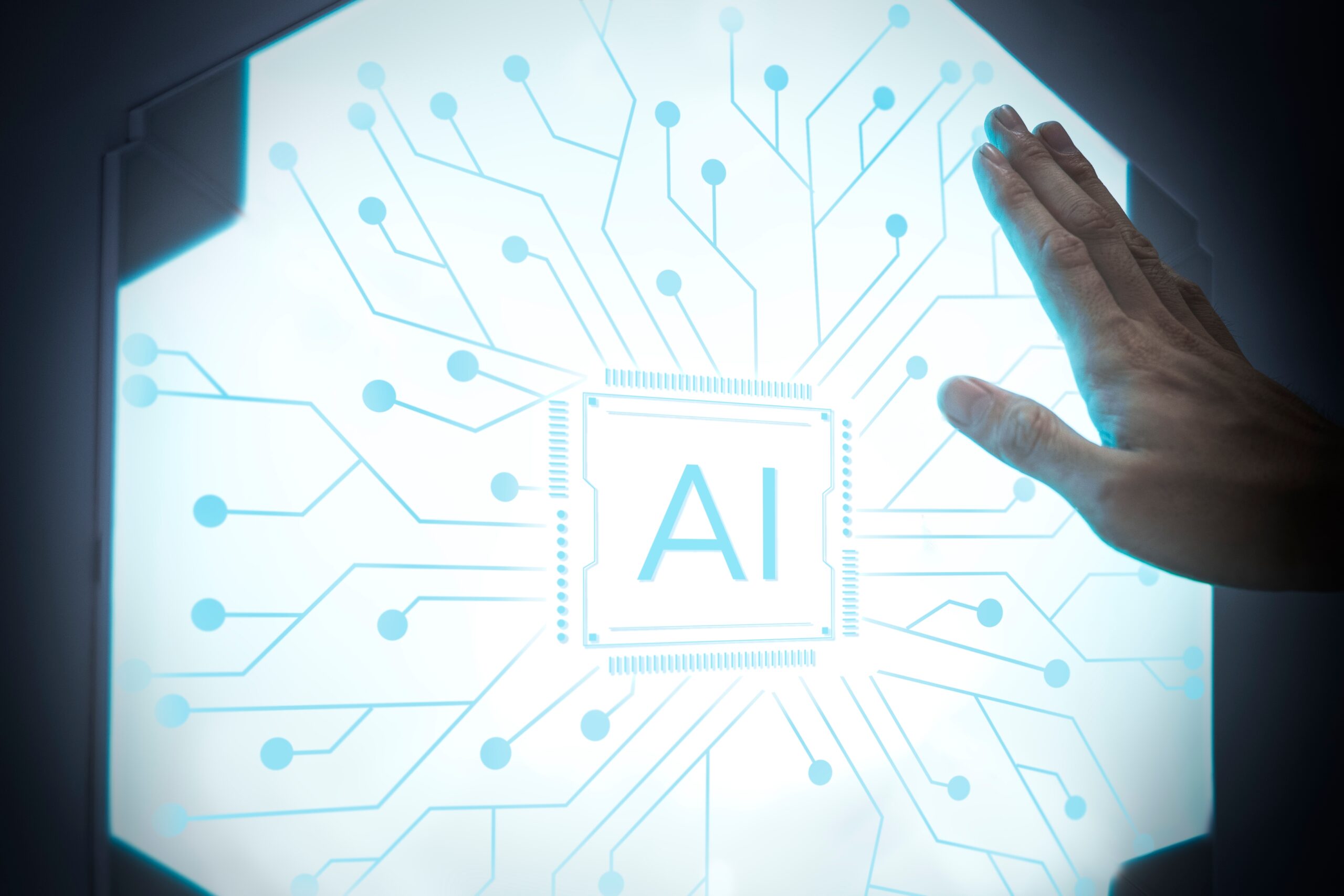
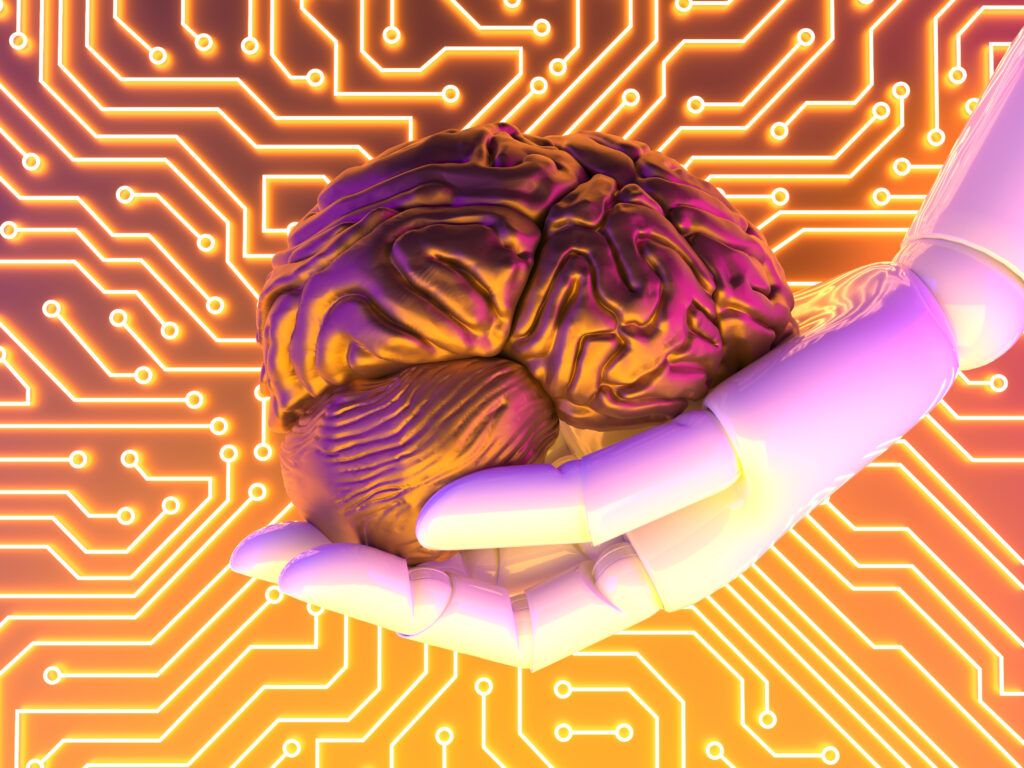
Futuristic AI technology microchip advanced innovation digital remix
Introduction
There are inflection points in history where technology makes humanity look inwards in order to pause, to breathe, and to question not how far we can go, but whether we should. Artificial Intelligence has brought us to such a moment. Every day, algorithms learn to write, to draw, to decide. They can recognize faces, predict behaviour and even compose music that moves. But beneath this dizzying progress, a quiet question echoes: what remains truly human when machines start to mirror our minds?
It is in this sensitive balance that the ethical guide of Artificial Intelligence from the Vatican takes shape, almost not as a set of rules but, rather, as a moral compass. Called the Rome Call for AI Ethics, it appeals to scientists, policymakers, and companies alike to bear in mind one thing: technology can never, ever take its eyes off the human heart.
The Vatican’s Ethical Guide for Artificial Intelligence: A Human Call in the Age of Algorithms
Few people expected this when the Vatican first weighed in on Artificial Intelligence. After all, what could a centuries-old spiritual institution contribute to one of the most advanced technological debates of our time? Yet, that is precisely why its voice matters: a voice that asks us to slow down and reflect in a world defined by automation and speed is not only relevant but necessary.
The Vatican’s framework lays out six guiding principles: transparency, inclusion, accountability, impartiality, reliability, and security. These may sound technical at first, but their roots run deep in morality. Behind each concept is a simple conviction: technology must serve humanity and not take its place. In a world where algorithms increasingly will determine who gets a job, who receives health care, or who gets approved for a loan, the message resonates now more than ever.
A Meeting of Faith and Technology
One of the most remarkable things about the initiative, however, is its collaboration with leading technology giants, such as IBM and Microsoft. Instead of pitching religion against science, the Vatican wanted to create a dialogue a bridge between faith and innovation. This partnership forms a quiet yet powerful statement: one where ethics and technology can coexist, and moral reflection is not a constraint to progress but its foundation.
This humanistic approach echoes outside the Vatican’s walls. It is in line with the global discussions driven by UNESCO, the European Commission, and research institutions like Harvard’s Berkman Klein Center; all these drive home a point of the imperative for ethical governance of AI. What sets the Vatican’s call apart, however, is its language: it talks of care, not control; of dignity, not dominance. It calls to conscience, rather than compliance.
The Ethical Tension: Progress and the Human Core
We celebrate AI as if it were the pinnacle of human ingenuity, yet there is a paradox to that. The more intelligent our machines become, the more we forget what it even means to be human. While the algorithms can analyze reams and reams of data, they cannot feel empathy. They optimize efficiency, but never moral nuance. They learn behavior, but they don’t understand suffering.
This is the tension the Vatican’s guide addresses with quiet urgency. It reminds us that ethical reflection cannot be outsourced to machines. A decision affecting human life made in a hospital or courtroom, or on social media has to remain anchored in compassion and moral responsibility. The danger isn’t that AI will become evil; it is that we will grow indifferent.
In a 2023 report by the Pew Research Center, over 60% of people worldwide worry that humans will lose control over technology. This is not a purely technical fear; it’s existential. The Vatican’s intervention, then, is not an opposition to progress but a preservation of meaning. It calls us to develop AI with humility, knowing that intelligence without conscience is not wisdom but risk.
A Call for Global Responsibility
The guide of the Vatican is not about imposing doctrine; it is proposing dialogue. It encourages nations and corporations to place human dignity at the center of design and decision making. It challenges engineers to think not only about what their systems can do, but also what they should do. And it reminds policymakers that ethical frameworks are not barriers they are the scaffolding of trust.
In this sense, the Vatican joins a broader movement for what scholars call “human-centric AI.” Similar principles appear in the European Union’s AI Act and the OECD’s guidelines, yet the Vatican’s language adds something rare: spiritual depth. It invites us to see technology not merely as a tool, but as a mirror reflecting our values, our biases, and ultimately, our humanity.
This is a profoundly inclusive vision. It recognizes no one culture, religion, or nation owns the ethics of AI. Instead, it suggests a shared responsibility a universal conversation grounded in respect and empathy. That idea, perhaps more than any law or regulation, could define the moral architecture of the digital age.
A Human Future in a Machine World
The question, going forward, is not whether AI will shape our future-it already does but whether we will remain its moral authors. The call by the Vatican is to guide innovation with conscience, to balance creativity with compassion. It is a reminder that every algorithm we write carries a trace of our humanity for better or worse.
If we approach AI as fellow creators, not as competitors, then technology could be a tool of solidarity, not division. It could amplify, rather than diminish, human potential. This, of course, requires faith in ourselves, not blind faith in machines, but faith in our ability to choose empathy over efficiency and connection over control.
Conclusion
In the end, the Vatican’s ethical guide for Artificial Intelligence is not a theological statement but a human one. It has nothing to say to Catholics or scientists exclusively, but everything to say to anyone who thinks that progress must have a purpose. The message is not complicated, but profound: while we teach machines to think, we should never stop feeling.
This is not the age of algorithms to be feared, but an age to guide. Standing at a threshold where every decision in code echoes in human life, the Vatican’s voice is ancient yet timely, reminding us that the most advanced technology depends on the oldest truth: dignity, empathy, and moral awareness are what truly make intelligence intelligent.
About the Author